Blog Series: Empowering Public Health with the Omaha System in St. Louis County

How do local health departments document and manage overlapping programs? A standardized taxonomy (Omaha System) and reduction of number of systems can ease the burden for public health departments.
Beyond Public Health Data Silos
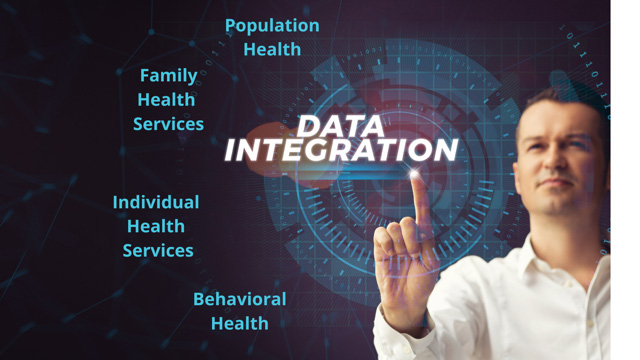
How do local health departments document and manage overlapping programs? A standardized taxonomy (Omaha System) and reduction of number of systems can ease the burden for public health departments.
Navigating the Once Again Rocky Waters: How Local Health Departments Weather Policy Uncertainty

When there is public health policy uncertainty and funding is in question, tracking with consistent data becomes vital to the survival of local health initiatives.
Navigating Public Health Dept. Data Migration: To Import or Not to Import Your Patient Health Records?

Transitioning to a new Electronic Health Record (EHR) system is a significant step for any public health department. One crucial decision is whether to import your data from your previous EHR.
Public Health Departments Need a Community-Health Centric EHR
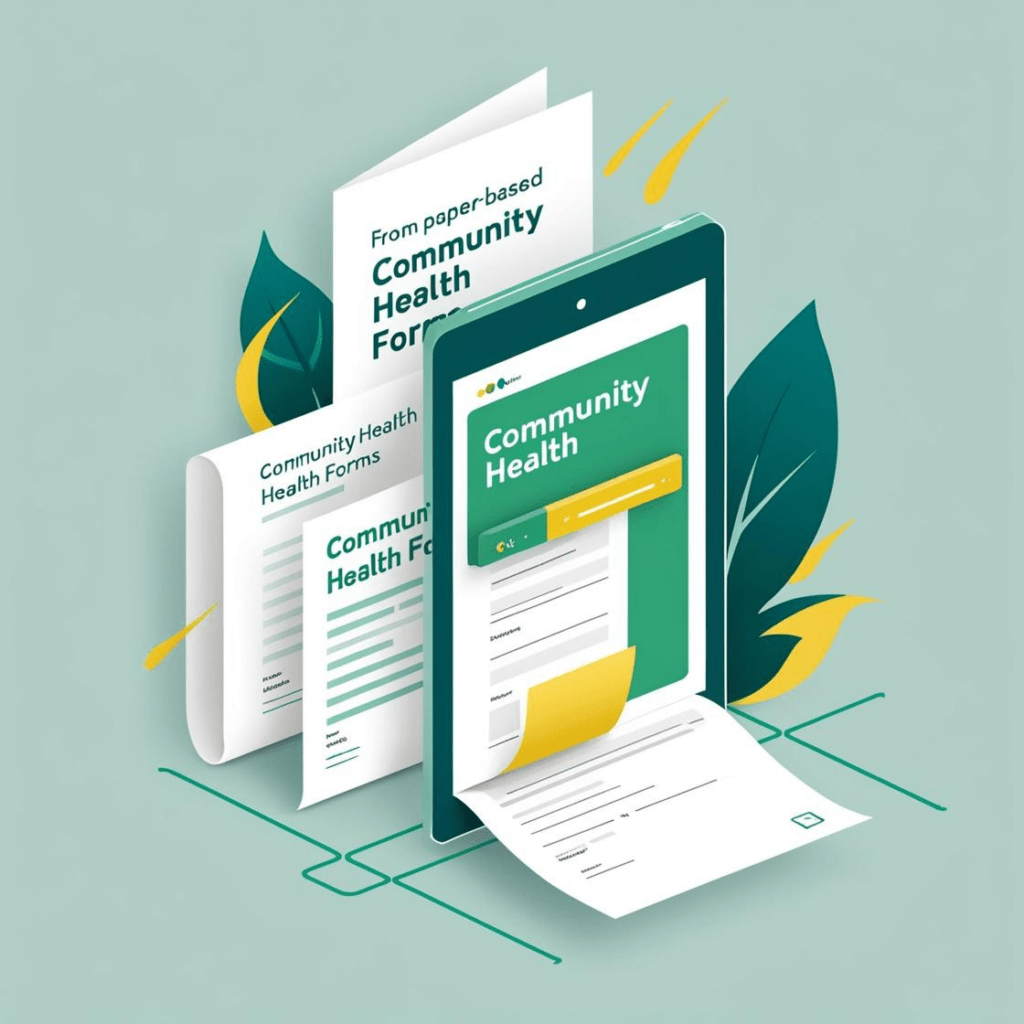
Electronic forms that are built, published and read back into an EHR create a paperless experience for clients and less data entry for staff.
Streamlining Reproductive Health Management With Nightingale Notes EHR
Electronic forms that are built, published and read back into an EHR create a paperless experience for clients and less data entry for staff.
Does Your EHR Align With The Public Health Data Strategy?
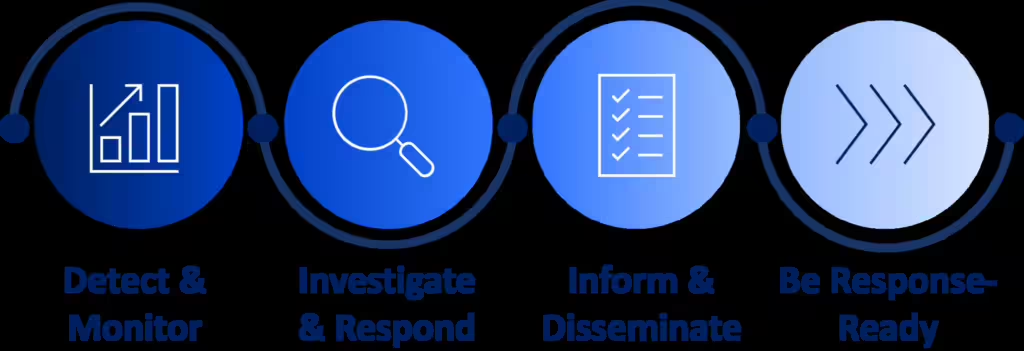
An EHR designed for local health departments should support data capture, storage, and reporting to align with the Public Health Data Strategy
Enhancing Public Health Through Effective Data Management

Dr. Monsen has had a long career working in the field of nursing informatics.1 She has been an instrumental leader in the Omaha System community of practice. She has a wealth of knowledge and experience in data management and has helped countless health care agencies, Omaha System users, and public health workers improve their data documentation and data management, as well as educate on how that data can be leveraged in meaningful ways.
The Big 5” Drugs Used by Youth and Trends to Be Aware Of

In March of 2024, Thad Shunkwiler, LMFT, LPCC, ACS, CCMHC presented at one of Champ Software’s Expert Webinars, examining drug use trends among adolescents and the impact of drug use on the physical and psychological well-being of the user as well as prevention and intervention strategies public health professionals and others can employ to address this issue.
Comprehensive Suicide Prevention Strategies for Public Health

Tanya Carter is the Suicide Prevention Supervisor at the Minnesota Department of Health, with over 20 years of experience in community education program development and crisis intervention. She is passionate about suicide prevention and reducing the stigma related to mental illness.